Buy lösungen.eu ?
We are moving the project
lösungen.eu .
Are you interested in purchasing the domain
lösungen.eu ?
domain@kv-gmbh.de · 0541-91531010
Buy lösungen.eu ?
How does bubble wrap insulate?
Bubble wrap insulates by trapping air in between the bubbles, creating a barrier that slows down the transfer of heat. The air pockets act as a buffer, reducing the amount of heat that can pass through the material. This helps to maintain a more consistent temperature inside the wrapped object, whether it is protecting it from cold or heat. The thicker the bubble wrap, the better the insulation properties it will have. **
How do you insulate cables?
Cables can be insulated using various materials such as rubber, plastic, or even ceramic. The insulation material is typically applied as a sheath around the conductive wires to protect them from environmental factors such as moisture, heat, and mechanical damage. The thickness and type of insulation used depend on the specific application and the level of protection required. Insulating cables is essential to ensure the safety and reliability of electrical systems. **

Similar search terms for Insulate
Top-Angebote
Products related to Insulate:
-
Pan Make Brilliant Work: Lessons on Creativity, Innovation and Success by Rod Judkins - Paperback - Self-Help/Business Creativity Guide, Author ofMake Brilliant Work is an inspiring guide by Rod Judkins, drawing on the real-life stories of visionaries from Frida Kahlo to Steve Jobs. This paperback book reveals the methods and mindsets that turn ordinary effort into extraordinary results. Judkins proves that talent alone never guaranteed success — persistence, risk-taking and original thinking did. A motivating read for anyone wanting to unlock their creative potential at work or in life. The book profiles figures who failed at school, were told they lacked talent, or were fired more than once, yet went on to achieve great things. Written by Rod Judkins, published by Pan Macmillan, this book is a reassuring truth: you don't have to be naturally brilliant to produce brilliant work.2,99 £*Shipping: 2,99 £Secure redirect to the provider

-
How do you insulate a container?
To insulate a container, you can use materials such as foam insulation, fiberglass insulation, or reflective insulation. First, measure the dimensions of the container to determine how much insulation material you will need. Then, cut the insulation material to fit the walls, floor, and ceiling of the container. Finally, secure the insulation in place using adhesive, tape, or fasteners to create a barrier that helps regulate the temperature inside the container. **
-
How do I insulate a piano?
To insulate a piano, you can start by placing a piano cover over the instrument when it is not in use to protect it from temperature changes. Additionally, you can use a dehumidifier in the room where the piano is kept to regulate the humidity levels and prevent damage to the wood. It is also recommended to keep the piano away from direct sunlight and drafts to maintain a stable environment for the instrument. **
-
How can one insulate a ceiling?
One way to insulate a ceiling is by installing batt insulation between the ceiling joists. This involves measuring the space between the joists, cutting the insulation to fit, and placing it snugly between the joists. Another method is to use blown-in insulation, which involves blowing loose insulation material into the ceiling cavity using a machine. Additionally, adding a layer of rigid foam insulation board on top of the ceiling can also help improve insulation. **
-
How can you insulate a carport?
One way to insulate a carport is by adding insulation material to the walls and ceiling. This can include using foam board insulation, fiberglass batts, or spray foam insulation. Another method is to install insulated garage doors to help keep the space warm. Additionally, sealing any gaps or cracks in the walls and ceiling can also help prevent heat loss and improve insulation. **
How do I insulate the floor?
To insulate the floor, you can start by adding insulation material between the floor joists in the crawl space or basement. This can help to prevent heat loss and keep the floors warmer. Additionally, you can install carpet or rugs to add an extra layer of insulation and warmth to the floor. Another option is to use rigid foam insulation panels on the underside of the floor joists to provide insulation and reduce heat transfer. Finally, sealing any air leaks or gaps in the floor can also help to improve insulation. **
How can one insulate glazing retroactively?
One way to insulate glazing retroactively is to apply a window film or tint to the existing glass. This film can help to reduce heat transfer and improve the insulation properties of the window. Another option is to install insulating window inserts or panels on the interior of the window frame. These inserts can provide an additional layer of insulation to help reduce heat loss and improve energy efficiency. Additionally, using heavy drapes or curtains can also help to insulate glazing retroactively by creating a barrier to reduce heat transfer. **
Top-Angebote
Products related to Insulate:
-
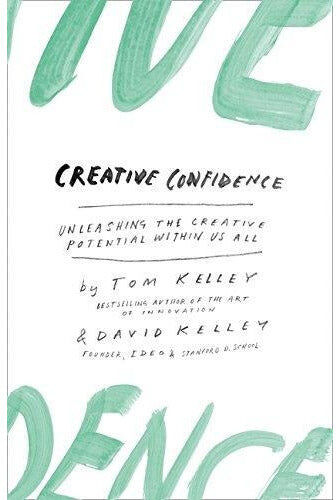
HARPERCOLLINS Creative Confidence by Tom & David Kelley – Unleashing Your Creative Potential & Innovation MindsetA powerful and inspiring book from the founders of IDEO, the award-winning design firm, on unleashing the creativity that lies within each and every one of us. Too often, companies and individuals assume that creativity and innovation are the domain of the ‘creative types’. But two of the foremost experts in innovation, design and creativity on the planet show us that each and every one of us is creative. In an entertaining and inspiring narrative that draws on countless stories from their work at IDEO, and with many of the world's top companies and design firms, David and Tom Kelley identify the principles and strategies that will allow us to tap into our creative potential in our work lives, and in our personal lives, allow us to think outside the box in terms of how we approach and solve problems. ‘Creative Confidence’ is a book that will help each of us be more productive and successful in our lives and in our careers.4,95 £*Shipping: 1,99 £Secure redirect to the provider
-
La Prairie Skin Caviar Essence-In-Lotion moisturising serum with rejuvenating effect innovation 150 mlLa Prairie Skin Caviar Essence-In-Lotion, 150 ml, Skin Serums for Women, Does it feel as though your skin needs something more than just the care provided by a cream? The La Prairie Skin Caviar Essence-In-Lotion facial serum is the perfect product to enrich your skincare routine – it pampers the skin and delivers an intensive treatment. With its high concentration of active ingredients, the effect it has on your skin is far more pronounced and faster than with a face cream. Its liquid consistency makes application easier, as it is absorbed into the skin very well. Characteristics: restores skin elasticity hydrates and nourishes effectively199,75 £*Shipping: 3,99 £Secure redirect to the provider
-
Pan Make Brilliant Work: Lessons on Creativity, Innovation and Success by Rod Judkins - Paperback - Self-Help/Business Creativity Guide, Author ofMake Brilliant Work is an inspiring guide by Rod Judkins, drawing on the real-life stories of visionaries from Frida Kahlo to Steve Jobs. This paperback book reveals the methods and mindsets that turn ordinary effort into extraordinary results. Judkins proves that talent alone never guaranteed success — persistence, risk-taking and original thinking did. A motivating read for anyone wanting to unlock their creative potential at work or in life. The book profiles figures who failed at school, were told they lacked talent, or were fired more than once, yet went on to achieve great things. Written by Rod Judkins, published by Pan Macmillan, this book is a reassuring truth: you don't have to be naturally brilliant to produce brilliant work.2,99 £*Shipping: 2,99 £Secure redirect to the provider
-
How does bubble wrap insulate?
Bubble wrap insulates by trapping air in between the bubbles, creating a barrier that slows down the transfer of heat. The air pockets act as a buffer, reducing the amount of heat that can pass through the material. This helps to maintain a more consistent temperature inside the wrapped object, whether it is protecting it from cold or heat. The thicker the bubble wrap, the better the insulation properties it will have. **
-
How do you insulate cables?
Cables can be insulated using various materials such as rubber, plastic, or even ceramic. The insulation material is typically applied as a sheath around the conductive wires to protect them from environmental factors such as moisture, heat, and mechanical damage. The thickness and type of insulation used depend on the specific application and the level of protection required. Insulating cables is essential to ensure the safety and reliability of electrical systems. **
-
How do you insulate a container?
To insulate a container, you can use materials such as foam insulation, fiberglass insulation, or reflective insulation. First, measure the dimensions of the container to determine how much insulation material you will need. Then, cut the insulation material to fit the walls, floor, and ceiling of the container. Finally, secure the insulation in place using adhesive, tape, or fasteners to create a barrier that helps regulate the temperature inside the container. **
-
How do I insulate a piano?
To insulate a piano, you can start by placing a piano cover over the instrument when it is not in use to protect it from temperature changes. Additionally, you can use a dehumidifier in the room where the piano is kept to regulate the humidity levels and prevent damage to the wood. It is also recommended to keep the piano away from direct sunlight and drafts to maintain a stable environment for the instrument. **
Similar search terms for Insulate
-
How can one insulate a ceiling?
One way to insulate a ceiling is by installing batt insulation between the ceiling joists. This involves measuring the space between the joists, cutting the insulation to fit, and placing it snugly between the joists. Another method is to use blown-in insulation, which involves blowing loose insulation material into the ceiling cavity using a machine. Additionally, adding a layer of rigid foam insulation board on top of the ceiling can also help improve insulation. **
-
How can you insulate a carport?
One way to insulate a carport is by adding insulation material to the walls and ceiling. This can include using foam board insulation, fiberglass batts, or spray foam insulation. Another method is to install insulated garage doors to help keep the space warm. Additionally, sealing any gaps or cracks in the walls and ceiling can also help prevent heat loss and improve insulation. **
-
How do I insulate the floor?
To insulate the floor, you can start by adding insulation material between the floor joists in the crawl space or basement. This can help to prevent heat loss and keep the floors warmer. Additionally, you can install carpet or rugs to add an extra layer of insulation and warmth to the floor. Another option is to use rigid foam insulation panels on the underside of the floor joists to provide insulation and reduce heat transfer. Finally, sealing any air leaks or gaps in the floor can also help to improve insulation. **
-
How can one insulate glazing retroactively?
One way to insulate glazing retroactively is to apply a window film or tint to the existing glass. This film can help to reduce heat transfer and improve the insulation properties of the window. Another option is to install insulating window inserts or panels on the interior of the window frame. These inserts can provide an additional layer of insulation to help reduce heat loss and improve energy efficiency. Additionally, using heavy drapes or curtains can also help to insulate glazing retroactively by creating a barrier to reduce heat transfer. **
* All prices are inclusive of VAT and, if applicable, plus shipping costs. The offer information is based on the details provided by the respective shop and is updated through automated processes. Real-time updates do not occur, so deviations can occur in individual cases. ** Note: Parts of this content were created by AI.