Buy lösungen.eu ?
We are moving the project
lösungen.eu .
Are you interested in purchasing the domain
lösungen.eu ?
domain@kv-gmbh.de · 0541-91531010
Buy lösungen.eu ?
What is the difference between material defects and legal defects?
Material defects refer to physical flaws or issues with a property, such as a leaky roof or faulty plumbing, that affect its value or usability. Legal defects, on the other hand, pertain to issues with the property's title or ownership, such as outstanding liens, boundary disputes, or zoning violations. While material defects can be addressed through repairs or renovations, legal defects may require legal action or negotiation to resolve. Both types of defects can impact the value and marketability of a property. **
What is the difference between rights of defects and legal defects?
Rights of defects refer to the rights that a buyer has when a purchased item is defective, such as the right to a refund or replacement. Legal defects, on the other hand, refer to issues with the legal status or validity of a contract, such as lack of capacity or fraud. While rights of defects focus on the physical condition of a product, legal defects pertain to the legal aspects of a transaction. Both types of defects can impact the enforceability of a contract and the rights of the parties involved. **

Similar search terms for Defects
Top-Angebote
Products related to Defects:
-
What is the difference between rights to defects and legal defects?
Rights to defects refer to the rights of a buyer to demand that a seller rectify any defects in the goods or services provided. This could include issues such as poor quality, incorrect quantity, or non-conformity to the agreed specifications. Legal defects, on the other hand, refer to issues with the legal status or ownership of the goods or services. This could include problems with title, liens, or other legal encumbrances that affect the buyer's ability to use or sell the goods. In summary, rights to defects pertain to the physical condition of the goods, while legal defects pertain to the legal status of the goods. **
-
What are optical defects in a new kitchen and what are not defects?
Optical defects in a new kitchen refer to imperfections that are visible to the naked eye, such as scratches, dents, or color inconsistencies in the cabinets, countertops, or appliances. These defects can affect the overall aesthetic appeal of the kitchen. On the other hand, normal wear and tear or minor variations in color or texture that are within industry standards are not considered defects. It is important for homeowners to inspect their new kitchen carefully upon installation to identify any optical defects and address them with the manufacturer or installer. **
-
What are parquet surface defects?
Parquet surface defects refer to imperfections or irregularities in the surface of parquet flooring. These defects can include scratches, dents, discoloration, or unevenness in the wood. They can be caused by wear and tear, improper installation, or environmental factors. It is important to address these defects promptly to maintain the appearance and integrity of the parquet flooring. **
-
Aren't apartment defects being rectified?
Apartment defects are often rectified, but the process can vary depending on the specific defect and the responsiveness of the landlord or property management company. In some cases, defects may be promptly addressed and repaired, while in other instances, there may be delays or disputes over responsibility for the repairs. It's important for tenants to communicate any defects to their landlord or property manager and to follow up to ensure that the issues are being addressed in a timely manner. If necessary, tenants may also have legal rights and recourse to seek resolution for unresolved defects. **
What is liability for defects?
Liability for defects refers to the legal responsibility that a seller or manufacturer has for any faults or issues with a product they have sold. This means that they are obligated to repair, replace, or refund the product if it does not meet the agreed-upon standards or is not fit for its intended purpose. Liability for defects is typically outlined in consumer protection laws and can vary depending on the jurisdiction and the type of product being sold. **
Which types of defects are helpful?
Defects that are helpful are those that are identified early in the development process, as they are easier and less costly to fix. Additionally, defects that are easily reproducible and clearly documented are helpful, as they can be more effectively communicated to the development team. Defects that are found in critical or high-risk areas of the software are also helpful, as addressing these issues can prevent major problems down the line. Finally, defects that are identified through automated testing or continuous integration processes can be helpful, as they can be quickly identified and addressed. **
Top-Angebote
Products related to Defects:
-
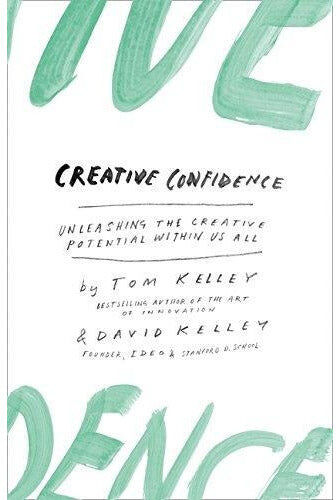
HARPERCOLLINS Creative Confidence by Tom & David Kelley – Unleashing Your Creative Potential & Innovation MindsetA powerful and inspiring book from the founders of IDEO, the award-winning design firm, on unleashing the creativity that lies within each and every one of us. Too often, companies and individuals assume that creativity and innovation are the domain of the ‘creative types’. But two of the foremost experts in innovation, design and creativity on the planet show us that each and every one of us is creative. In an entertaining and inspiring narrative that draws on countless stories from their work at IDEO, and with many of the world's top companies and design firms, David and Tom Kelley identify the principles and strategies that will allow us to tap into our creative potential in our work lives, and in our personal lives, allow us to think outside the box in terms of how we approach and solve problems. ‘Creative Confidence’ is a book that will help each of us be more productive and successful in our lives and in our careers.4,95 £*Shipping: 1,99 £Secure redirect to the provider
-
Pan Make Brilliant Work: Lessons on Creativity, Innovation and Success by Rod Judkins - Paperback - Self-Help/Business Creativity Guide, Author ofMake Brilliant Work is an inspiring guide by Rod Judkins, drawing on the real-life stories of visionaries from Frida Kahlo to Steve Jobs. This paperback book reveals the methods and mindsets that turn ordinary effort into extraordinary results. Judkins proves that talent alone never guaranteed success — persistence, risk-taking and original thinking did. A motivating read for anyone wanting to unlock their creative potential at work or in life. The book profiles figures who failed at school, were told they lacked talent, or were fired more than once, yet went on to achieve great things. Written by Rod Judkins, published by Pan Macmillan, this book is a reassuring truth: you don't have to be naturally brilliant to produce brilliant work.2,99 £*Shipping: 2,99 £Secure redirect to the provider
-
What is the difference between material defects and legal defects?
Material defects refer to physical flaws or issues with a property, such as a leaky roof or faulty plumbing, that affect its value or usability. Legal defects, on the other hand, pertain to issues with the property's title or ownership, such as outstanding liens, boundary disputes, or zoning violations. While material defects can be addressed through repairs or renovations, legal defects may require legal action or negotiation to resolve. Both types of defects can impact the value and marketability of a property. **
-
What is the difference between rights of defects and legal defects?
Rights of defects refer to the rights that a buyer has when a purchased item is defective, such as the right to a refund or replacement. Legal defects, on the other hand, refer to issues with the legal status or validity of a contract, such as lack of capacity or fraud. While rights of defects focus on the physical condition of a product, legal defects pertain to the legal aspects of a transaction. Both types of defects can impact the enforceability of a contract and the rights of the parties involved. **
-
What is the difference between rights to defects and legal defects?
Rights to defects refer to the rights of a buyer to demand that a seller rectify any defects in the goods or services provided. This could include issues such as poor quality, incorrect quantity, or non-conformity to the agreed specifications. Legal defects, on the other hand, refer to issues with the legal status or ownership of the goods or services. This could include problems with title, liens, or other legal encumbrances that affect the buyer's ability to use or sell the goods. In summary, rights to defects pertain to the physical condition of the goods, while legal defects pertain to the legal status of the goods. **
-
What are optical defects in a new kitchen and what are not defects?
Optical defects in a new kitchen refer to imperfections that are visible to the naked eye, such as scratches, dents, or color inconsistencies in the cabinets, countertops, or appliances. These defects can affect the overall aesthetic appeal of the kitchen. On the other hand, normal wear and tear or minor variations in color or texture that are within industry standards are not considered defects. It is important for homeowners to inspect their new kitchen carefully upon installation to identify any optical defects and address them with the manufacturer or installer. **
Similar search terms for Defects
-
What are parquet surface defects?
Parquet surface defects refer to imperfections or irregularities in the surface of parquet flooring. These defects can include scratches, dents, discoloration, or unevenness in the wood. They can be caused by wear and tear, improper installation, or environmental factors. It is important to address these defects promptly to maintain the appearance and integrity of the parquet flooring. **
-
Aren't apartment defects being rectified?
Apartment defects are often rectified, but the process can vary depending on the specific defect and the responsiveness of the landlord or property management company. In some cases, defects may be promptly addressed and repaired, while in other instances, there may be delays or disputes over responsibility for the repairs. It's important for tenants to communicate any defects to their landlord or property manager and to follow up to ensure that the issues are being addressed in a timely manner. If necessary, tenants may also have legal rights and recourse to seek resolution for unresolved defects. **
-
What is liability for defects?
Liability for defects refers to the legal responsibility that a seller or manufacturer has for any faults or issues with a product they have sold. This means that they are obligated to repair, replace, or refund the product if it does not meet the agreed-upon standards or is not fit for its intended purpose. Liability for defects is typically outlined in consumer protection laws and can vary depending on the jurisdiction and the type of product being sold. **
-
Which types of defects are helpful?
Defects that are helpful are those that are identified early in the development process, as they are easier and less costly to fix. Additionally, defects that are easily reproducible and clearly documented are helpful, as they can be more effectively communicated to the development team. Defects that are found in critical or high-risk areas of the software are also helpful, as addressing these issues can prevent major problems down the line. Finally, defects that are identified through automated testing or continuous integration processes can be helpful, as they can be quickly identified and addressed. **
* All prices are inclusive of VAT and, if applicable, plus shipping costs. The offer information is based on the details provided by the respective shop and is updated through automated processes. Real-time updates do not occur, so deviations can occur in individual cases. ** Note: Parts of this content were created by AI.