Buy lösungen.eu ?
We are moving the project
lösungen.eu .
Are you interested in purchasing the domain
lösungen.eu ?
domain@kv-gmbh.de · 0541-91531010
Buy lösungen.eu ?
What are neurological complaints?
Neurological complaints refer to symptoms or issues related to the nervous system, which includes the brain, spinal cord, and nerves. These complaints can manifest as a wide range of symptoms such as headaches, dizziness, numbness or tingling, muscle weakness, memory problems, and coordination difficulties. It is important to seek medical attention if experiencing any neurological complaints as they can be indicative of underlying health conditions that may require treatment. **
What is a neurological disease?
A neurological disease is a disorder that affects the brain, spinal cord, and nerves throughout the body. These diseases can result from various causes, such as genetics, infections, trauma, or autoimmune responses. Symptoms of neurological diseases can vary widely depending on the specific condition but may include issues with movement, sensation, cognition, or other neurological functions. Treatment for neurological diseases often involves a combination of medications, therapy, and lifestyle modifications to manage symptoms and improve quality of life. **

Similar search terms for Neurological
Top-Angebote
Products related to Neurological:
-
La Prairie Skin Caviar Essence-In-Lotion moisturising serum with rejuvenating effect innovation 150 mlLa Prairie Skin Caviar Essence-In-Lotion, 150 ml, Skin Serums for Women, Does it feel as though your skin needs something more than just the care provided by a cream? The La Prairie Skin Caviar Essence-In-Lotion facial serum is the perfect product to enrich your skincare routine – it pampers the skin and delivers an intensive treatment. With its high concentration of active ingredients, the effect it has on your skin is far more pronounced and faster than with a face cream. Its liquid consistency makes application easier, as it is absorbed into the skin very well. Characteristics: restores skin elasticity hydrates and nourishes effectively199,75 £*Shipping: 3,99 £Secure redirect to the provider
-
Pan Make Brilliant Work: Lessons on Creativity, Innovation and Success by Rod Judkins - Paperback - Self-Help/Business Creativity Guide, Author ofMake Brilliant Work is an inspiring guide by Rod Judkins, drawing on the real-life stories of visionaries from Frida Kahlo to Steve Jobs. This paperback book reveals the methods and mindsets that turn ordinary effort into extraordinary results. Judkins proves that talent alone never guaranteed success — persistence, risk-taking and original thinking did. A motivating read for anyone wanting to unlock their creative potential at work or in life. The book profiles figures who failed at school, were told they lacked talent, or were fired more than once, yet went on to achieve great things. Written by Rod Judkins, published by Pan Macmillan, this book is a reassuring truth: you don't have to be naturally brilliant to produce brilliant work.2,99 £*Shipping: 2,99 £Secure redirect to the provider


-
What does neurological consultation mean?
Neurological consultation refers to the process of seeking advice and expertise from a neurologist, a medical doctor who specializes in the diagnosis and treatment of disorders of the nervous system. This consultation may be sought for a variety of reasons, such as the evaluation of symptoms like headaches, dizziness, or weakness, or for the management of chronic neurological conditions like epilepsy or multiple sclerosis. During the consultation, the neurologist will conduct a thorough evaluation, which may include a physical examination, review of medical history, and possibly additional testing such as imaging studies or nerve conduction tests, in order to provide a diagnosis and recommend a treatment plan. **
-
What happens during a neurological examination?
During a neurological examination, a healthcare professional will assess the patient's nervous system function, including their mental status, cranial nerves, motor function, sensory function, reflexes, and coordination. This may involve asking the patient questions to evaluate their mental status, testing their vision, hearing, and other cranial nerve functions, assessing their muscle strength and tone, checking their ability to feel sensations, and evaluating their reflexes and coordination. The examination helps the healthcare provider to identify any abnormalities or signs of neurological conditions. **
-
Does the cat have something neurological?
Without further information or a proper examination by a veterinarian, it is impossible to determine if the cat has something neurological. Symptoms such as head tilting, circling, seizures, or changes in behavior could indicate a neurological issue. It is important to consult a veterinarian for a proper diagnosis and treatment plan. **
-
What is the second neurological question?
The second neurological question is typically related to the patient's sensory function. This may involve asking about any changes in sensation, such as numbness, tingling, or loss of feeling in specific areas of the body. The healthcare provider may also inquire about the patient's ability to perceive different types of sensation, such as light touch, temperature, and vibration. This information helps the provider assess the function of the patient's sensory nerves and identify any potential neurological issues. **
How long does a neurological rehabilitation last?
The duration of neurological rehabilitation varies depending on the individual's condition, severity of the injury, and progress made during the rehabilitation process. It can last anywhere from a few weeks to several months, or even years in some cases. The goal of neurological rehabilitation is to help the individual regain function and independence, so the duration of the program is tailored to meet the specific needs and goals of the patient. **
Is tarsal tunnel syndrome orthopedic or neurological?
Tarsal tunnel syndrome is a condition that affects the tibial nerve as it passes through the tarsal tunnel in the ankle. While it primarily involves compression of the nerve, it is considered to be more closely related to orthopedics due to its association with the musculoskeletal system. However, because it involves nerve compression and can cause neurological symptoms such as tingling, numbness, and weakness in the foot, it also has neurological aspects. Therefore, tarsal tunnel syndrome can be considered to have both orthopedic and neurological components. **
Top-Angebote
Products related to Neurological:
-
Elsevier Neurological Examination Made Easy International EditionNeurological clinical examinations are some of the most intimidating procedures medical students, Junior doctors and residents have to perform. This book’s clear, succinct explanations and simple/memorable line drawings, along with top tips/common mistakes boxes, combine to demystify the subject and offer straightforward guidance. The spectacular success of the book over many years demonstrates that it succeeds more than any other resource available. This 6th edition will ensure the content remains as fresh, current and easy to interpret as ever.15,99 £*Shipping: 2,99 £Secure redirect to the provider
-
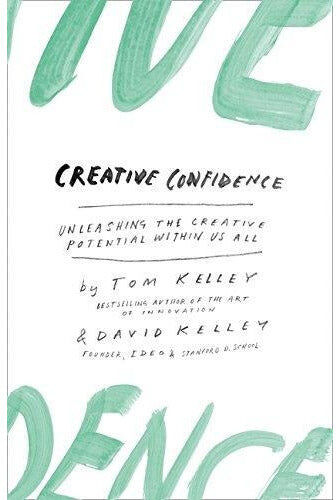
HARPERCOLLINS Creative Confidence by Tom & David Kelley – Unleashing Your Creative Potential & Innovation MindsetA powerful and inspiring book from the founders of IDEO, the award-winning design firm, on unleashing the creativity that lies within each and every one of us. Too often, companies and individuals assume that creativity and innovation are the domain of the ‘creative types’. But two of the foremost experts in innovation, design and creativity on the planet show us that each and every one of us is creative. In an entertaining and inspiring narrative that draws on countless stories from their work at IDEO, and with many of the world's top companies and design firms, David and Tom Kelley identify the principles and strategies that will allow us to tap into our creative potential in our work lives, and in our personal lives, allow us to think outside the box in terms of how we approach and solve problems. ‘Creative Confidence’ is a book that will help each of us be more productive and successful in our lives and in our careers.4,95 £*Shipping: 1,99 £Secure redirect to the provider
-
La Prairie Skin Caviar Essence-In-Lotion moisturising serum with rejuvenating effect innovation 150 mlLa Prairie Skin Caviar Essence-In-Lotion, 150 ml, Skin Serums for Women, Does it feel as though your skin needs something more than just the care provided by a cream? The La Prairie Skin Caviar Essence-In-Lotion facial serum is the perfect product to enrich your skincare routine – it pampers the skin and delivers an intensive treatment. With its high concentration of active ingredients, the effect it has on your skin is far more pronounced and faster than with a face cream. Its liquid consistency makes application easier, as it is absorbed into the skin very well. Characteristics: restores skin elasticity hydrates and nourishes effectively199,75 £*Shipping: 3,99 £Secure redirect to the provider
-
Pan Make Brilliant Work: Lessons on Creativity, Innovation and Success by Rod Judkins - Paperback - Self-Help/Business Creativity Guide, Author ofMake Brilliant Work is an inspiring guide by Rod Judkins, drawing on the real-life stories of visionaries from Frida Kahlo to Steve Jobs. This paperback book reveals the methods and mindsets that turn ordinary effort into extraordinary results. Judkins proves that talent alone never guaranteed success — persistence, risk-taking and original thinking did. A motivating read for anyone wanting to unlock their creative potential at work or in life. The book profiles figures who failed at school, were told they lacked talent, or were fired more than once, yet went on to achieve great things. Written by Rod Judkins, published by Pan Macmillan, this book is a reassuring truth: you don't have to be naturally brilliant to produce brilliant work.2,99 £*Shipping: 2,99 £Secure redirect to the provider
-
What are neurological complaints?
Neurological complaints refer to symptoms or issues related to the nervous system, which includes the brain, spinal cord, and nerves. These complaints can manifest as a wide range of symptoms such as headaches, dizziness, numbness or tingling, muscle weakness, memory problems, and coordination difficulties. It is important to seek medical attention if experiencing any neurological complaints as they can be indicative of underlying health conditions that may require treatment. **
-
What is a neurological disease?
A neurological disease is a disorder that affects the brain, spinal cord, and nerves throughout the body. These diseases can result from various causes, such as genetics, infections, trauma, or autoimmune responses. Symptoms of neurological diseases can vary widely depending on the specific condition but may include issues with movement, sensation, cognition, or other neurological functions. Treatment for neurological diseases often involves a combination of medications, therapy, and lifestyle modifications to manage symptoms and improve quality of life. **
-
What does neurological consultation mean?
Neurological consultation refers to the process of seeking advice and expertise from a neurologist, a medical doctor who specializes in the diagnosis and treatment of disorders of the nervous system. This consultation may be sought for a variety of reasons, such as the evaluation of symptoms like headaches, dizziness, or weakness, or for the management of chronic neurological conditions like epilepsy or multiple sclerosis. During the consultation, the neurologist will conduct a thorough evaluation, which may include a physical examination, review of medical history, and possibly additional testing such as imaging studies or nerve conduction tests, in order to provide a diagnosis and recommend a treatment plan. **
-
What happens during a neurological examination?
During a neurological examination, a healthcare professional will assess the patient's nervous system function, including their mental status, cranial nerves, motor function, sensory function, reflexes, and coordination. This may involve asking the patient questions to evaluate their mental status, testing their vision, hearing, and other cranial nerve functions, assessing their muscle strength and tone, checking their ability to feel sensations, and evaluating their reflexes and coordination. The examination helps the healthcare provider to identify any abnormalities or signs of neurological conditions. **
Similar search terms for Neurological
-
Does the cat have something neurological?
Without further information or a proper examination by a veterinarian, it is impossible to determine if the cat has something neurological. Symptoms such as head tilting, circling, seizures, or changes in behavior could indicate a neurological issue. It is important to consult a veterinarian for a proper diagnosis and treatment plan. **
-
What is the second neurological question?
The second neurological question is typically related to the patient's sensory function. This may involve asking about any changes in sensation, such as numbness, tingling, or loss of feeling in specific areas of the body. The healthcare provider may also inquire about the patient's ability to perceive different types of sensation, such as light touch, temperature, and vibration. This information helps the provider assess the function of the patient's sensory nerves and identify any potential neurological issues. **
-
How long does a neurological rehabilitation last?
The duration of neurological rehabilitation varies depending on the individual's condition, severity of the injury, and progress made during the rehabilitation process. It can last anywhere from a few weeks to several months, or even years in some cases. The goal of neurological rehabilitation is to help the individual regain function and independence, so the duration of the program is tailored to meet the specific needs and goals of the patient. **
-
Is tarsal tunnel syndrome orthopedic or neurological?
Tarsal tunnel syndrome is a condition that affects the tibial nerve as it passes through the tarsal tunnel in the ankle. While it primarily involves compression of the nerve, it is considered to be more closely related to orthopedics due to its association with the musculoskeletal system. However, because it involves nerve compression and can cause neurological symptoms such as tingling, numbness, and weakness in the foot, it also has neurological aspects. Therefore, tarsal tunnel syndrome can be considered to have both orthopedic and neurological components. **
* All prices are inclusive of VAT and, if applicable, plus shipping costs. The offer information is based on the details provided by the respective shop and is updated through automated processes. Real-time updates do not occur, so deviations can occur in individual cases. ** Note: Parts of this content were created by AI.